Amazing Wildlife Photography Tips for Beginners in the Falkland Islands
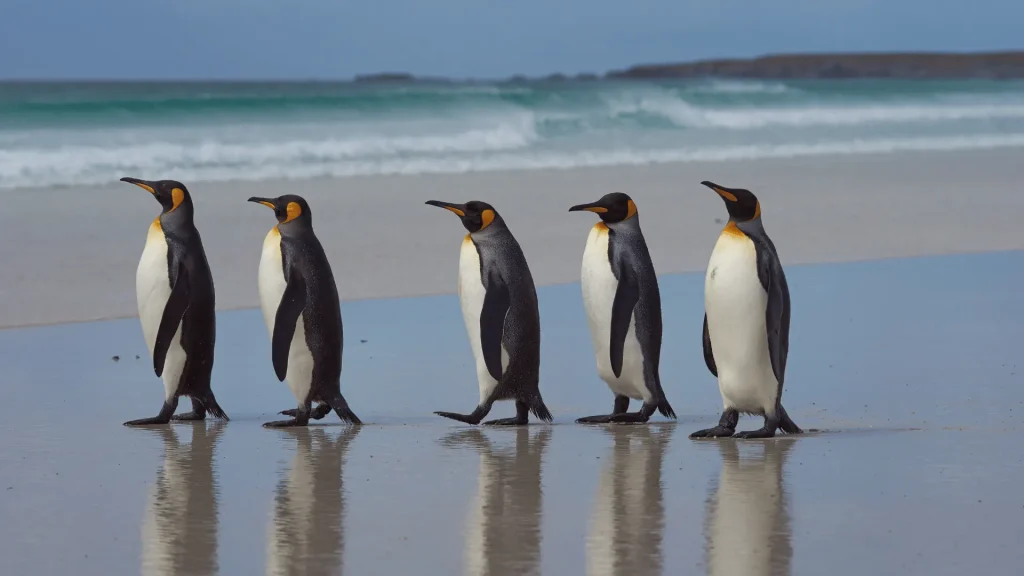
The Falkland Islands are a photographer’s paradise, offering breathtaking landscapes, vibrant wildlife, and unique opportunities for capturing nature at its finest. From penguins waddling across the shore to elephant seals basking in the sun, there’s no shortage of wildlife to photograph. Whether you’re an experienced photographer or a beginner, the Falklands provide the perfect backdrop for learning and honing your skills.
Here are some essential tips for photographing wildlife in the Falkland Islands as a beginner.
1. Choose the Right Gear for Wildlife Photography
As a beginner, the first step is making sure you have the right camera gear. While you don’t need to invest in top-of-the-line equipment, certain tools will make a big difference when capturing wildlife.
Camera:
-
- A DSLR or mirrorless camera is ideal because of their versatility and ability to handle various lighting conditions.
-
- A crop-sensor camera is a great choice for beginners since it offers increased focal length with a telephoto lens.
Lens:
-
- A telephoto lens (at least 200mm to 300mm) will allow you to get close-up shots without disturbing the animals. Wildlife photography often requires a long lens to capture subjects at a distance.
Accessories:
-
- A tripod is essential for stabilizing your camera, especially when shooting in low light conditions or for long periods.
-
- Extra memory cards and batteries are must-haves for extended sessions.
-
- Weather protection: A camera rain cover will help protect your gear in case of unexpected rain.
Why You Can’t Miss It:
Having the right gear will allow you to capture sharp, detailed images of the Falklands’ wildlife and stunning landscapes.
2. Understand the Lighting Conditions
Lighting is one of the most important factors in any type of photography. In the Falklands, the lighting can change rapidly due to the region’s unpredictable weather. Here’s what to keep in mind:
-
- Golden Hours (Early Morning & Late Afternoon): The best time for wildlife photography is during the golden hours—early in the morning and late in the afternoon. The soft, warm light at these times helps highlight the animals and their surroundings, making the photos more vibrant.
-
- Overcast Days: The Falklands often experience cloudy skies, which can provide diffused light that is ideal for photographing wildlife without harsh shadows.
-
- Bright Midday Light: If you’re shooting in the midday sun, use a lens hood to reduce glare and prevent lens flare.
Why You Can’t Miss It:
Mastering lighting will help you capture wildlife in its best light, providing more dramatic and appealing images.
3. Get Close, But Respect the Animals’ Space
Wildlife photography is about observing animals in their natural environment while being as unobtrusive as possible. In the Falklands, many species, like penguins and sea lions, can be approached relatively closely, but you should always respect their personal space.
-
- Don’t crowd animals: Give wildlife the space they need to behave naturally. Use your telephoto lens to get close-up shots without disturbing them.
-
- Observe behavior: Look for moments when animals are engaged in natural behaviors, such as penguins calling out to each other or seals basking in the sun.
Why You Can’t Miss It:
Respecting wildlife ensures ethical photography and helps you capture natural, unposed moments.
4. Focus on the Subject’s Eyes
When photographing animals, focusing on their eyes is crucial. The eyes are the most expressive part of any subject, and a sharp focus on them creates a connection between the viewer and the animal.
-
- Eye-level shots: Try to get on the animal’s level, especially with smaller animals like penguins. This perspective makes the photo feel more intimate and engaging.
-
- Depth of field: Use a wide aperture (f/4 to f/5.6) to achieve a shallow depth of field. This will help blur the background and focus attention on the animal’s face.
Why You Can’t Miss It:
Sharp, well-composed eye-level shots will make your wildlife photos stand out and draw the viewer’s attention to the animal.
5. Capture Behavior and Movement
One of the highlights of wildlife photography is capturing animals in action. The Falklands offer a variety of opportunities to photograph animals in dynamic, behavior-driven moments.
-
- Use continuous shooting mode: This allows you to capture a series of shots in quick succession, increasing your chances of getting the perfect moment.
-
- Panning: For animals in motion, like penguins running or seals swimming, use the panning technique. Follow the animal’s movement with your camera and use a slower shutter speed to blur the background and create a sense of motion.
Why You Can’t Miss It:
Photographing animals in action brings your images to life, showing the essence of their natural behavior.
6. Pay Attention to Composition
Composition is key in creating visually striking wildlife photos. There are a few techniques you can use to improve the composition of your images:
-
- Rule of Thirds: Imagine dividing your frame into nine equal sections using two horizontal and two vertical lines. Place the subject along one of these lines or at their intersections for a more balanced and engaging image.
-
- Leading Lines: Use natural elements, like shorelines or pathways, to lead the viewer’s eye toward the subject.
-
- Framing: Look for natural frames, like tree branches or rocks, to surround your subject and draw attention to it.
Why You Can’t Miss It:
Proper composition enhances the storytelling aspect of your photos and makes them visually appealing.
7. Be Patient and Ready
Wildlife photography often requires patience. Animals don’t always behave on cue, so it’s important to be prepared for long waits. Here are some tips for staying ready:
-
- Observe animal behavior: Spend time observing your subject before snapping photos. This will give you a better understanding of their movements and routines.
-
- Keep your camera settings ready: Anticipate the action by adjusting your settings in advance. Have your shutter speed and aperture dialed in so you can quickly capture the moment when it happens.
Why You Can’t Miss It:
Patience and readiness are essential to capturing the perfect shot at the right time, ensuring you don’t miss important wildlife moments.
8. Be Mindful of the Environment
The Falkland Islands are a protected area, and it’s crucial to be mindful of your surroundings while photographing wildlife. Follow all local guidelines to minimize your impact on the environment and the animals.
-
- Stay on marked paths to avoid disturbing the habitat.
-
- Don’t feed or interfere with the animals.
-
- Respect no-entry zones around sensitive areas like penguin colonies.
Why You Can’t Miss It:
Ethical wildlife photography is important for the preservation of the environment and ensures future generations can enjoy the same stunning wildlife experiences.
Conclusion
Photographing wildlife in the Falkland Islands is a rewarding experience, especially for beginners. By choosing the right gear, understanding lighting conditions, respecting wildlife, and focusing on animal behavior, you’ll be able to capture breathtaking images of these amazing creatures. Remember, patience, preparation, and a strong ethical approach will help you create stunning wildlife photos while preserving the beauty of the Falklands. So grab your camera, head to the Falklands, and start capturing memories that will last a lifetime!